Vacadu All itineraries
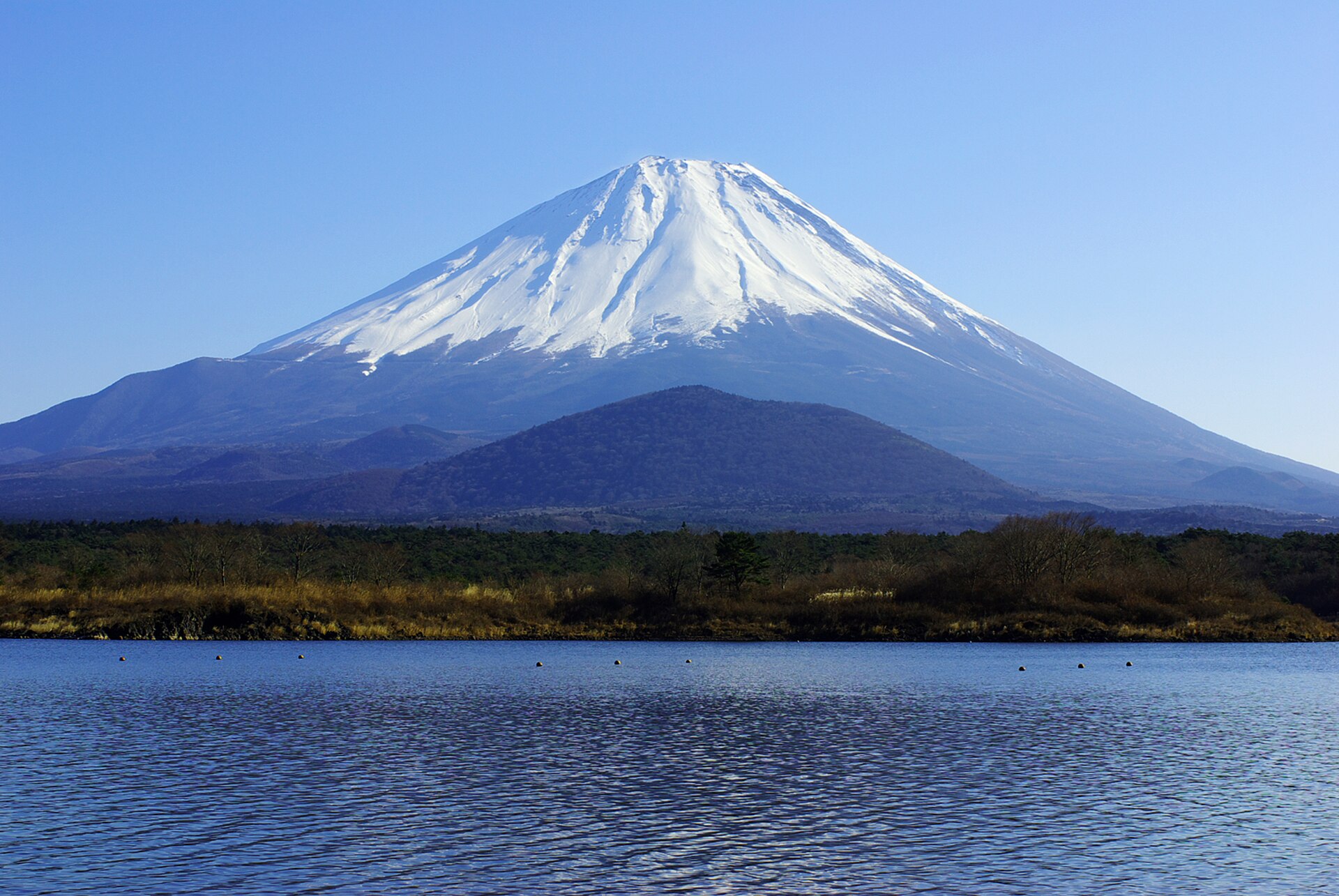
Mount Fuji, Japan
Photo: Kodaki fuji frm shojinko refurb.jpg by 名古屋太郎, (edited by Hannes_24 ), via Wikimedia Commons (CC BY-SA 3.0).

Japan in 10 Days: A First-Timer's Route

The Golden Route done properly: four days in Tokyo, an onsen night in Hakone under Mount Fuji, three days in Kyoto, the deer and Great Buddha of Nara, and Osaka's street food — all by train, with dawn starts that get you the famous places empty.

first-timercitiesculturetrains

Duration
10 days
Best months
March to April, October to November
Destination
Japan
Stops
39 places
Countries
Japan
Cities and towns
Tokyo, Hakone, Kyoto, Nara, Osaka

Open this itinerary in Vacadu Plan your own trip

The itinerary, day by day

Numbered days, not dates — start it whenever you like, ideally March to April, October to November.

Day 1 Landing day: Shinjuku and nothing else

One neighbourhood, on purpose, while the jet lag lands.

  1. 14:30

    Shinjuku Gyo-en

    1h 30m · Park · Garden

    The best jet-lag antidote in Tokyo: ¥500 and ten minutes from most Shinjuku hotels. October to mid-March it closes at 16:30 with last entry at 16:00, so be inside by 15:00. On the peak cherry-blossom weekends a timed e-ticket is required to enter between 10:00 and 16:00 — but walking in before 10:00 or after 16:00 needs no booking at all, which is the cheapest trick in Tokyo in April. It shuts Mondays outside blossom season. Head for the wide English lawn and skip the greenhouse.

  2. 16:45

    Tokyo Metropolitan Government Building

    1h · Observatory · Viewpoint

    Free, 202 m, and the honest answer to which paid deck to buy on day one: none, yet. Take the south observatory lift — it runs to 22:00 with last entry 21:30, so afternoon, sunset and the lit-up grid all come in one visit, while the north tower shuts at 17:30. On a clear cold day Fuji sits on the western horizon. The south closes the 1st and 3rd Tuesday of the month, the north the 2nd and 4th Monday.

  3. 18:30

    Kabukichō

    2h · Nightlife · Food

    Eat in the alleys, not the towers. Omoide Yokochō's six-seat yakitori counters are just west of the station tracks, and Golden Gai's lanes of tiny bars are five minutes east of Kabukichō's centre — about ten minutes between the two, and both are evening-only. Ignore anyone on the street offering to walk you to a bar; that is how the bill triples.

  4. Overnight

    Base yourself in Shinjuku

    Shinjuku, Tokyo · 4 nights

    The first-timer's best Tokyo base: the Yamanote loop, three subway lines, both airport buses and the Odakyu line to Hakone all leave from one station, so no morning starts with a change of trains. Narita is 90 minutes out on the Narita Express (¥3,250) or about 105 on the Limousine Bus with your case in the hold; Haneda is 45. Buy a Suica or Pasmo before you leave the airport and stop thinking about tickets. Hotels here will hold your bags before the 15:00 check-in, so drop them and go — but if you land after 15:00, cut the garden and the observatory and keep only Kabukichō. Sleep on the quieter west side around Nishi-Shinjuku rather than next to Kabukichō itself.

Day 2 Asakusa & the old east side

Dawn temple, knife street, national treasures, market dinner.

  1. 07:30

    Sensō-ji

    1h 30m · Landmark · Photo-spot

    Be at the Kaminarimon by 07:30: the grounds never close, Nakamise-dōri's shutters stay down until about 09:00 and you can photograph the Hōzōmon gate empty. The main hall opens at 06:00, or 06:30 from October to March. Then walk five minutes east to the river for the postcard line-up of the Skytree, the water and the Asahi building — which is the view worth having, and the reason you are not paying to climb the tower today. By 10:00 this is the busiest temple in Japan.

  2. 09:30

    Kappabashi-dōri

    1h 30m · Shopping · Activity

    Two kilometres of restaurant-supply shops where Tokyo's cooks actually buy, and the one stop on this trip where you make or commission something instead of photographing it: a carbon-steel knife chosen for your grip and engraved with your name while you wait, or an hour spent moulding a plastic tempura prawn at one of the sample workshops. It is a wholesale street, so shops run roughly 09:00 to 17:00 and only about a third open on Sundays. Lunch afterwards in Ueno, fifteen minutes east on foot.

  3. 13:00

    Tokyo National Museum

    3h · Museum · Landmark

    Japan's oldest and largest museum, and the right shape for an afternoon: the Honkan's single chronological circuit of national treasures — swords, screens, armour, clay haniwa figures — takes about two hours without hurrying. ¥1,000, open 09:30 to 17:00 with last entry 16:30, closed Mondays unless the Monday is a holiday, in which case it shuts the Tuesday instead. That 17:00 close is exactly why the Ueno museums have to be a plan and can never be a rainy-afternoon fallback.

  4. 17:00

    Ameya-Yokochō

    1h 30m · Market · Food

    Post-war black-market lanes under the Yamanote tracks between Ueno and Okachimachi, now a standing-bar food street that peaks as the offices empty at 17:00. All of it sits under the railway, so rain changes nothing here, and the stalls run to about 20:00 — long after the museums behind you have shut.

  5. Overnight

    Base yourself in Shinjuku

    Shinjuku, Tokyo · tonight

Day 3 Harajuku, Shibuya & the west side

Shrine forest, teen fashion, the world's busiest crossing.

  1. 08:30

    Meiji Shrine

    1h 30m · Landmark · Park

    Opens at sunrise and closes at sunset, so the gates move month by month — 05:10 to 17:50 in April, 06:10 to 16:10 in November — and it is effectively empty before 09:00. Enter by the south torii at Harajuku Station and walk the gravel forest path slowly, because the path is the experience and not the building at the end. The Inner Garden costs ¥500 and earns it only in June, when the irises are out.

  2. 10:15

    Takeshita Street

    1h · Shopping · Food

    Four hundred metres of teenage Tokyo — and most of its shutters do not go up until 11:00, which makes right now the hour to walk it rather than shop it, while you can still see the street. Then cut a block south to Cat Street and Omotesandō, which open earlier and sell what adults actually buy. That is your open afternoon.

  3. 15:30

    Shibuya Crossing

    45m · Landmark · Photo-spot

    Cross it once at street level, then get above it — the pattern only reads from higher up. The Q-Front Starbucks window is the famous vantage point and reopened in 2024, but you will queue for a seat nobody can reserve; the free second-floor walkway between Shibuya Station's Hachikō and Central exits looks down the same angle through glass and costs nothing. It is densest around 18:00 on a weekday, and rain plus umbrellas makes the best photograph.

  4. 17:00

    Shibuya Scramble Square

    1h 30m · Observatory · Viewpoint

    Shibuya Sky, the open-air rooftop on this tower, is the one paid deck in Tokyo worth the money: it looks straight down onto the crossing. ¥2,700 online before 15:00, ¥3,400 after, a few hundred more at the door — and once the slots are gone online they are gone at the counter too. Look up today's real sunset time and book 40 minutes before it, because the hour that works in November is not the hour that works in April. Open to 22:30, last entry 21:20, and wind or rain closes the roof and leaves you the indoor floor.

  5. Overnight

    Base yourself in Shinjuku

    Shinjuku, Tokyo · tonight

Day 4 Tsukiji breakfast to palace gardens

Seafood at dawn, then Ginza and the moat.

  1. 07:30

    Tsukiji Outer Market

    1h 30m · Market · Breakfast

    The wholesale auction moved to Toyosu in 2018, but the outer market — the part worth visiting — stayed. Graze three or four stalls instead of queueing an hour for one sushi counter. Shutters come down by 14:00, and the market closes all day Sunday, on national holidays and on scattered Wednesdays, so check its own calendar before you build a morning on it.

  2. 09:30

    Hama-rikyū Gardens

    1h 15m · Garden · Park

    A shogun's duck-hunting garden now ringed by Shiodome towers, ten minutes' walk from Tsukiji and almost always quiet. ¥300 in, 09:00 to 17:00 with last entry 16:30. Add ¥1,000 for matcha and a sweet at Nakajima no Ochaya, the teahouse standing on stilts out in the tidal pond — sitting on the water is the point of the place.

  3. 12:00

    Ginza

    2h · Shopping · Landmark

    On a Saturday, Sunday or holiday, Chūō-dōri closes to cars from noon — until 17:00 from October to March, an hour longer from April to September — and the Wakō clock striking twelve is the starting gun. Then spend nothing: Itōya's twelve floors of paper and pens, and Ginza Six's rooftop garden, which is free and usually empty. The department-store basements only mark their bentō down near closing, around 19:30, so save that for an evening.

  4. 14:00

    Tokyo Imperial Palace

    1h 30m · Landmark · Park

    The palace itself needs a booked tour, but the East Gardens are free and get you inside the moat and onto the old castle keep's stone base. They close Mondays and Fridays, and the gates shut at 16:00 in November, 16:30 in March, October and early April, with last entry half an hour before that. Enter at the Ōte-mon gate, fifteen minutes' walk north of Ginza.

  5. Overnight

    Base yourself in Shinjuku

    Shinjuku, Tokyo · tonight

Day 5 Shinjuku to Hakone: the classic loop

Romancecar to the hills — sculpture, sulphur, lake, torii.

  1. Tokyo → Hakone (Odakyu Romancecar)

    Train · 08:00 → 09:32 · Shinjuku Station → Hakone-Yumoto Station

    Times are a suggestion — the Romancecar runs roughly hourly. Buy the two-day Hakone Free Pass at Shinjuku (¥7,100): it covers the Odakyu line, both mountain railways, the ropeway, the lake boat and every bus in today's loop — but NOT the Romancecar itself, which needs a separate ¥1,200 limited-express ticket on top, ¥50 less booked on Odakyu's EMot app. Reserve it a day or two ahead; the front row behind the driver goes first. No JR pass applies to any of this.

  2. 10:15

    Hakone Open-Air Museum

    1h 30m · Museum · Activity

    Get off the Hakone Tozan switchback railway at Chōkoku-no-Mori, one stop short of Gōra. Henry Moores on a mountainside, a stained-glass tower children climb, and a free foot-onsen by the café for legs that have just carried luggage uphill. Open 09:00 to 17:00 every day; ¥1,600 to ¥1,900, and the Hakone Free Pass takes about ¥200 off rather than getting you in free.

  3. 12:30

    Ōwakudani

    1h · Nature · Viewpoint

    A live sulphur vent, reached by ropeway from Sōunzan. Save Fuji for the second half: the mountain sits north-west, behind Ōwakudani, so it appears on the onward leg down to Tōgendai — stand at the front of the gondola, not the back. Lunch is a black egg boiled in the vent water. The ropeway runs 09:00 to 17:00, and volcanic gas shuts it without warning, so check the live status page the morning you go and take the free replacement bus if it is down.

  4. 14:00

    Lake Ashi

    1h · Nature · Photo-spot

    Take the sightseeing boat from Tōgendai to Motohakone rather than the bus: Fuji stands directly behind the stern on a clear day. Sailings leave roughly every 30 to 40 minutes between 09:30 and about 17:00, the crossing takes half an hour, and strong wind cancels them outright. Boat and ropeway are both already inside the Hakone Free Pass.

  5. 15:15

    Hakone Shrine

    1h · Landmark · Photo-spot

    The vermilion torii standing in the water is five minutes along the shore from Motohakone pier, and the grounds never close or charge. Do it now rather than later: the light is gone here by 16:30 in November, and the bus down to Yumoto takes forty minutes. Walk back up through the cedar avenue to the main shrine, then ride down for the bath.

  6. Overnight

    One onsen night in Hakone-Yumoto

    Hakone-Yumoto, Hakone · 1 night

    Stay in the onsen town at the foot of the mountain, not up by the lake: Yumoto is where the Romancecar terminates, where the river-facing ryokan baths are, and where you can walk to dinner. Book a room with a private bath if tattoos or shyness rule out a communal one. Leave the big case in a Yumoto locker for the day — you sleep here tonight and you are on a switchback railway all afternoon.

Day 6 Hikari west: Hakone to Kyoto

Early train, long lunch, Higashiyama at dusk.

  1. Hakone-Yumoto → Odawara (Odakyu local)

    Train · 09:15 → 09:32 · Hakone-Yumoto Station → Odawara Station

    Times are a suggestion — locals leave every 10 to 15 minutes and the ride is 15, included in the Hakone Free Pass. Go early enough to make one named shinkansen: only a handful call at Odawara, so today the connection sets breakfast, not the other way round.

  2. Odawara → Kyoto (Hikari shinkansen)

    Train · 10:11 → 12:16 · Odawara Station → Kyoto Station

    Only about six Hikari a day call at Odawara — currently 08:11 and 10:11, then two-hourly at :07 — so pick the train first and the morning second. Ride a Hikari, not a Nozomi: Nozomi is excluded from every rail pass and does not stop at Odawara anyway. A Kodama covers the same route in 2h59 instead of 2h05, so waiting almost always beats boarding one. A reserved seat is ¥12,300. Sit on the right-hand side, seat D or E, for Mount Fuji about fifteen minutes out.

  3. 15:30

    Kiyomizu-dera

    1h 15m · Landmark · Viewpoint

    Late afternoon is the trick here: the coach tours have gone and the great veranda faces west over the whole city. ¥500, open from 06:00, but last entry is 17:00 from October to March, so do not drift. Start at the top and walk downhill from the temple rather than climbing up to it — the lanes below are the rest of your evening.

  4. 17:00

    Sannenzaka & Ninenzaka

    45m · Photo-spot · Shopping

    Stone-stepped lanes of wooden shopfronts, best walked downhill at dusk as the lanterns come on. The real name is Sanneizaka, 'safe-birth slope', after the pagoda halfway up where women prayed for an easy delivery; the 'three-year slope' reading is a later pun with a curse attached — stumble here and you have three years left, unless you buy a gourd at the bottom. They still sell the gourds. Watch your footing while you look up.

  5. 17:50

    Yasaka Shrine

    30m · Landmark · Photo-spot

    Cut through the shrine on your way west: after dark the dance hall is ringed by hundreds of lit paper lanterns, each paid for by a Gion business, and it never closes or charges admission.

  6. 18:20

    Gion

    1h 30m · Landmark · Dinner

    Hanamikoji and Shijō are public streets and fine to photograph. The private alleys running off them have been closed to visitors outright since April 2024 — entry, photography and guided tours all banned, with a ¥10,000 fine on the signs. The prettier walk is public anyway: the Shirakawa canal, one block north. Never follow or block a geiko for a picture; she is on her way to work.

  7. Overnight

    Base yourself in downtown Kyoto

    Nakagyō-ku (Karasuma–Kawaramachi), Kyoto · 3 nights

    Kyoto's sights ring the city, so sleep in the middle: from Nakagyō you can walk to Nishiki Market, Pontochō and Gion, and both subway lines plus the Hankyū and Keihan railways start here. Higashiyama is prettier but strands you once the buses thin out. Budget for the city's accommodation tax, which rose in March 2026 to between ¥200 and ¥10,000 per person per night depending on the room rate — about ¥400 a head at ordinary hotel prices, collected at the desk.

Day 7 Fushimi at dawn, then downtown Kyoto

Torii at dawn, a maple valley, market lunch, castle.

  1. 07:00

    Fushimi Inari-taisha

    2h · Landmark · Photo-spot

    Open 24 hours and free, which is exactly why 07:00 is the difference between an empty tunnel of torii and a shuffling queue. Climb 25 minutes to the Yotsutsuji viewpoint and turn back — the summit loop adds an hour and no better view. Eating and drinking while you walk is prohibited inside the shrine, marked areas aside.

  2. 09:20

    Tōfuku-ji

    1h · Landmark · Garden

    One stop back up the JR line from Inari, which makes it the best-placed second temple in Kyoto. Skip the Tsūtenkyō bridge and pay ¥500 for the Hōjō instead: Mirei Shigemori's 1939 gardens wrap the hall on all four sides, including a checkerboard of moss and cut stone that looks a century younger than it is. Open 09:00 to 16:30 with last entry 16:00, from 08:30 in late autumn. In the second half of November this is the most crowded temple in Kyoto by 09:00, the bridge ticket doubles to ¥1,000 and the combination ticket is withdrawn — another reason to walk straight to the Hōjō.

  3. 11:15

    Nishiki Market

    1h 15m · Market · Lunch

    Five covered blocks of Kyoto's kitchen, now firmly on the tourist trail: buy from the stalls with a queue of locals, and eat where you buy — walking while eating is signposted against here, and standing to one side to finish is the courteous move. Stalls run roughly 09:00 to 18:00 and each takes its own day off, usually a Wednesday or a Sunday, so a few shutters are always down.

  4. 13:15

    Nijō Castle

    1h 30m · Landmark · Garden

    The one place in Kyoto where you walk a shogun's palace corridors instead of peering at a garden, and where the floor chirps under every step. The sign inside is refreshingly honest that the 'nightingale floor' is nails working loose against their clamps over three centuries rather than a security system, whatever the legend says. Open 08:45 to 17:00 with last entry 16:00, and the palace interior closes at 16:10; its only closed days are Tuesdays in January, July, August and December, so spring and autumn are safe. Pontochō's riverside alley, five minutes off Nishiki, is dinner.

  5. Overnight

    Base yourself in downtown Kyoto

    Nakagyō-ku (Karasuma–Kawaramachi), Kyoto · tonight

Day 8 Arashiyama & the golden north-west

Bamboo before seven, a film star's garden, gold.

  1. 07:00

    Nonomiya Shrine & the bamboo grove path

    1h 15m · Photo-spot · Nature

    The path is a public lane with no gate and no ticket, and that is the whole plan: at 07:00 it is yours, and by 09:00 in spring or autumn you are queueing to walk it. Board JR at Nijō Station, two stops and nine minutes out, rather than backtracking to Kyoto Station. This small moss-garden shrine marks the grove's southern, busiest end, so walk north through it to the top gate. Tenryū-ji's north gate is on the way and its 14th-century pond garden is ¥500 from 08:30 if you want the oldest thing in Arashiyama; otherwise the Togetsukyō bridge fills the half-hour before the villa opens.

  2. 09:00

    Ōkōchi Sansō

    1h · Garden · Viewpoint

    The bamboo path ends at the gate of a 1930s film star's mountain villa, and this is where the day stops being a photograph and starts being a morning. ¥1,000 buys the whole hillside — moss, teahouses, a bench looking back over the entire city — and includes a bowl of matcha and a sweet at Tekisui-an on the way out, so keep the ticket stub, because that is what you exchange for it. Open 09:00 to 17:00 daily. Almost nobody who queued for the bamboo walks the extra two hundred metres to come in.

  3. 11:30

    Ryōan-ji

    1h · Garden · Landmark

    Fifteen rocks in raked gravel, arranged so that from no single spot on the veranda can you see all fifteen. ¥600, open 08:00 to 17:00 from March to November and 08:30 to 16:30 in winter. Sit for ten quiet minutes before you photograph it — and doing this temple before Kinkaku-ji means you reach the gold pavilion as the coaches leave.

  4. 13:30

    Kinkaku-ji

    1h · Landmark · Photo-spot

    One loop, one view, 45 minutes: ¥500, open 09:00 to 17:00, and the pavilion is seen from across the pond and never entered, so do not budget a morning for it. Afternoon light hits the gold leaf front-on. Bus 205 from the front gate runs back to Karasuma and downtown in about 35 minutes.

  5. Overnight

    Base yourself in downtown Kyoto

    Nakagyō-ku (Karasuma–Kawaramachi), Kyoto · tonight

Day 9 Nara's deer, then on to Osaka

Great Buddha and bowing deer, neon dinner in Osaka.

  1. Kyoto → Nara (Kintetsu limited express)

    Train · 08:30 → 09:05 · Kyoto Station (Kintetsu platforms) → Kintetsu Nara Station

    Times are a suggestion — Kintetsu limited expresses leave the Kintetsu platforms inside Kyoto Station about twice an hour and reach Kintetsu Nara in 35 minutes for ¥1,280, all seats reserved. Check out of Kyoto first and leave your bags in a locker at Kintetsu Nara: it is five minutes from the deer, and it is also where you leave for Osaka tonight, so you never carry them twice. JR's Miyakoji rapid is cheaper at ¥720 and rail-pass-covered, but takes 45 minutes and lands you twenty minutes further out at JR Nara.

  2. 09:30

    Nara Park

    45m · Park · Activity

    The deer are wild animals that have learned to bow for ¥200 crackers — buy from a licensed stall, hand them over fast once the herd sees the wafers, and keep paper maps and tickets zipped away, because they eat those too. The lawns west of Tōdai-ji are calmer than the scrum by the shops, and Kintetsu Nara station is five minutes away, which is where your bags are.

  3. 10:30

    Tōdai-ji

    1h 15m · Landmark · Photo-spot

    Fifteen metres of gilded bronze cast in 749, the largest statue of its kind anywhere, and it very nearly bankrupted the state that ordered it. The hall was rebuilt in 1709 seven bays wide instead of eleven because the money ran out, which is the clue to how vast the first one was. ¥800, open from 07:30 in summer and 08:00 from November to March. Be through the Nandaimon gate by 10:30, and skip the pillar with the hole behind the Buddha unless you have children with you.

  4. 12:15

    Kasuga-taisha

    1h · Landmark · Nature

    The walk in — a kilometre of moss-covered stone lanterns under cedars — is better than the shrine at the end, and the grounds stay free until the inner corridor, which is ¥500 from 09:00 to 16:00. Fill the afternoon on the way back rather than sitting at the station: Kōfuku-ji's treasure house holds the three-faced Ashura, one of the most famous objects in Japanese art, though its five-storey pagoda is sealed inside scaffolding until about 2031 and there is nothing left to see of it. The Nara National Museum is next door, closed Mondays, and each autumn it unpacks the Shōsō-in treasures — an eighth-century imperial storehouse, opened for a fortnight from late October.

  5. Nara → Osaka (Kintetsu Nara Line express)

    Train · 16:30 → 17:15 · Kintetsu Nara Station → Ōsaka Namba Station

    Times are a suggestion — expresses leave every 15 minutes, take 40 minutes and need no reservation. This is a private railway, so no JR pass covers it; the fare is ¥680. You leave from the same station your bags have sat in all day.

  6. 18:30

    Dōtonbori

    2h · Nightlife · Dinner

    Osaka's canal of running-man signs, where the street food beats the restaurants: takoyaki and kushikatsu from stalls. Photograph the Glico sign from Ebisu bridge, then walk one block south. Hōzenji Yokochō's lantern-lit flagstones are the prettiest lane in the city, but its long-established restaurants are dearer than Dōtonbori, not cheaper — for the cheap version carry on to Ura-Namba, the grid of tiny izakaya behind Sennichimae, where the menus stop having pictures.

  7. Overnight

    Two nights in Namba

    Namba, Osaka · 2 nights

    Namba puts Dōtonbori, Kuromon Market and Shinsekai inside a 15-minute walk or one subway stop, and the Nankai line runs from here to Kansai Airport in 34 to 45 minutes depending on the train — which is what matters when it is your departure airport. Umeda is smarter and duller. Two nights here means you fly out on the morning after day ten, so keep the last evening for the sunset instead of a late flight you would have to leave it for.

Day 10 Osaka: market, moat, sunset

Eat early, walk the stonework, finish above the city.

  1. 08:45

    Kuromon Ichiba Market

    1h · Market · Breakfast

    Osaka's kitchen, ten minutes' walk east of Namba: scallops, uni and wagyu skewers grilled in front of you from about 09:00. This is a 09:00 stop or nothing — by lunchtime the aisles are one long queue and the best fishmongers have sold out. Most stalls are down by 17:00, and a lot of them do not open at all on Sundays and holidays.

  2. 11:00

    Shinsekai & Tsūtenkaku

    1h 30m · Landmark · Lunch

    A 1912 vision of the future left to go gloriously to seed, and the home of kushikatsu — deep-fried skewers with one communal sauce pot you may absolutely never double-dip in. Nothing here opens before 11:00, 10:30 at weekends, so do not arrive earlier; the counters are full by noon and empty again between 14:30 and 16:30. Cheaper and stranger than Dōtonbori, and the tower's own view is skippable.

  3. 13:00

    Osaka Castle

    2h 30m · Landmark · Park

    The keep is a 1931 concrete reconstruction with a lift inside, and admission doubled to ¥1,200 in 2025, so treat it as a museum with a view or skip it outright — the park around it is free and open all day. Enter at Ōte-mon and cross the inner moat, where the stonework is original and startlingly large; if you do buy the ticket it now includes the Toyotomi Stone Wall Museum, which is that same masonry excavated and explained. Keep and museum run 09:00 to 17:00 with last entry 16:30, and the Nishinomaru garden fills whatever is left before Umeda.

  4. 17:00

    Umeda Sky Building

    1h 30m · Observatory · Viewpoint

    Two towers joined by a floating rooftop ring, reached by an escalator through open air, and far quieter than any deck in Tokyo. ¥2,000, open 09:30 to 22:30 with last entry 22:00, and heavy rain shuts the open roof. Look up today's sunset and arrive 40 minutes before it — in November that means nearer 16:20 than 17:00. Namba is 10 minutes back on the Midōsuji line, and Kansai Airport 34 to 45 minutes beyond that on the Nankai line.

  5. Overnight

    Two nights in Namba

    Namba, Osaka · tonight

Good to know

  1. Pace

    early starts, one neighbourhood at a time, evenings free

  2. Stay

    city-centre neighbourhoods plus one onsen night

  3. Transport

    trains only, no car — pay as you go with an IC card; the ¥50,000 Japan Rail Pass does not earn itself back on this route

  4. Travelers

    first trip to Japan — couples or friends

Open this itinerary in Vacadu

More ready-made itineraries

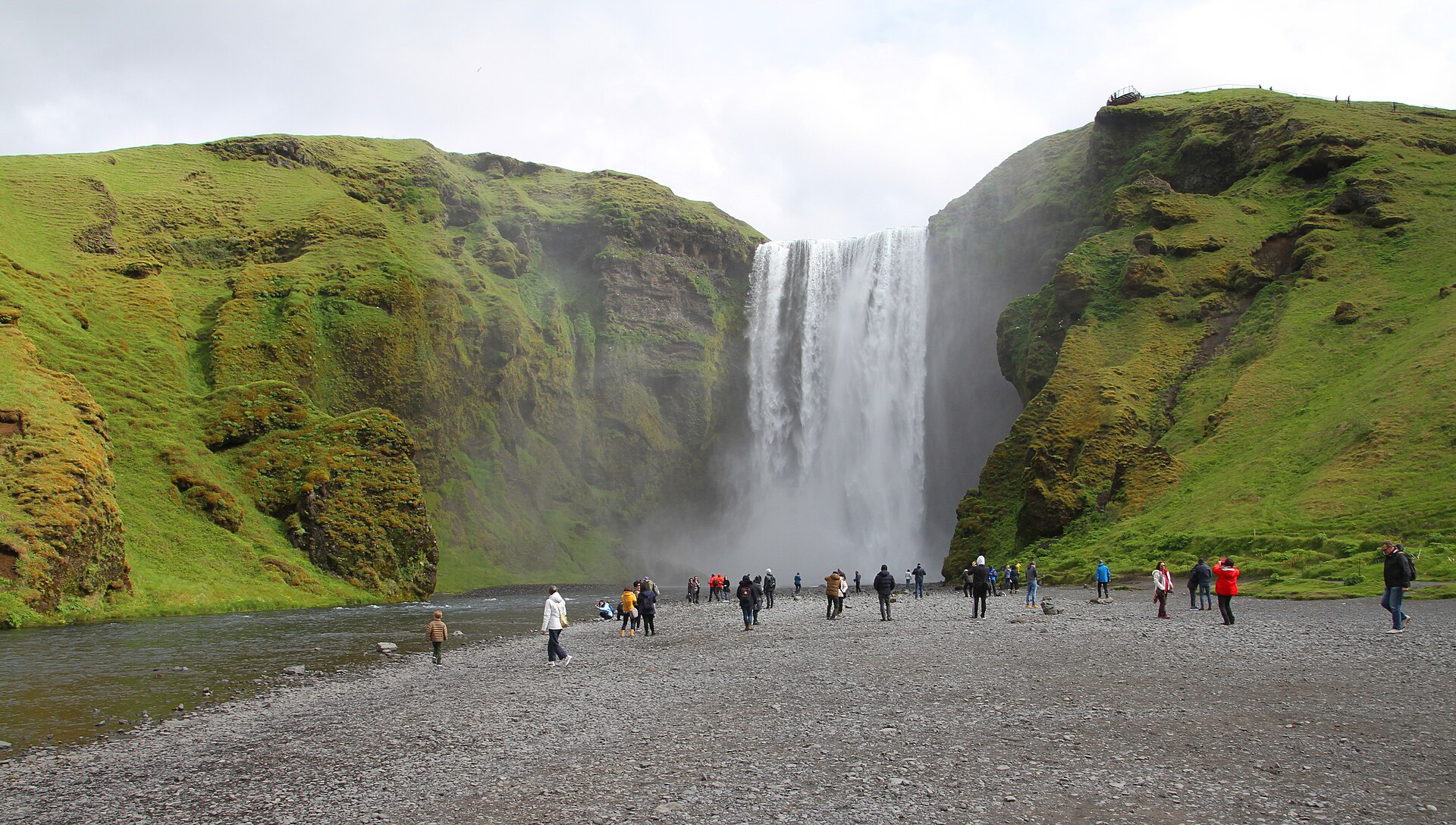
Photo: Gerd Eichmann (CC BY-SA 4.0)

Iceland in 8 Days: The Ring Road

Iceland · 8 days

Iceland's Ring Road in eight days, anticlockwise from Reykjavík: south-coast waterfalls, the glacier lagoon at Jökulsárlón, the East Fjords, Dettifoss and Mývatn, whale watching from Húsavík, and the long western run home. Honest driving times, summer only.

road-tripnatureself-drivewaterfalls

Photo: Rehman Abubakr (CC BY-SA 4.0)

Portugal in 8 Days: Lisbon to Porto

Portugal · 8 days

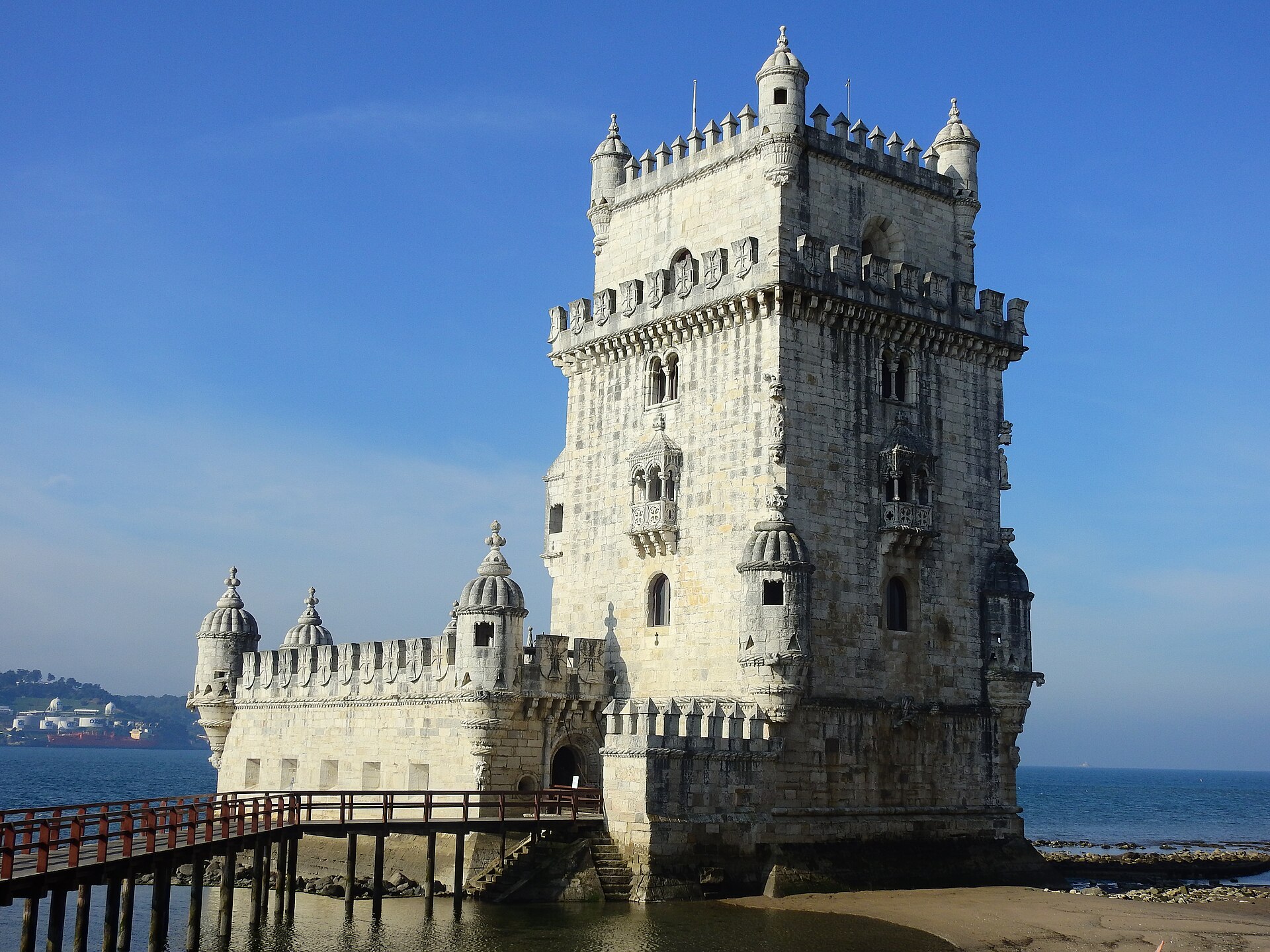
Eight days north by train: Belém and Alfama, a full day in Sintra, the Baroque Joanina Library in Coimbra on the way, then Porto's tiled centre, a Douro Valley rail day, and the port cellars of Gaia.

first-timercitiesfoodtrains

How these itineraries are made

Every itinerary here is written as a real plan, then checked stop by stop before it is published: walkable distances, opening seasons, honest travel times, and two to four stops a day rather than a checklist. Nothing on this page is sponsored or paid for.

Days are numbered, not dated, so a plan never goes stale — open it in the app and it lands on real dates you can change. Coordinates come from Wikidata, and photos from Wikimedia Commons under the licence credited beside each image.

Spotted something out of date? Tell us: trips@vacadu.com.

More on where the coordinates and photos come from, and what to re-check before you go.